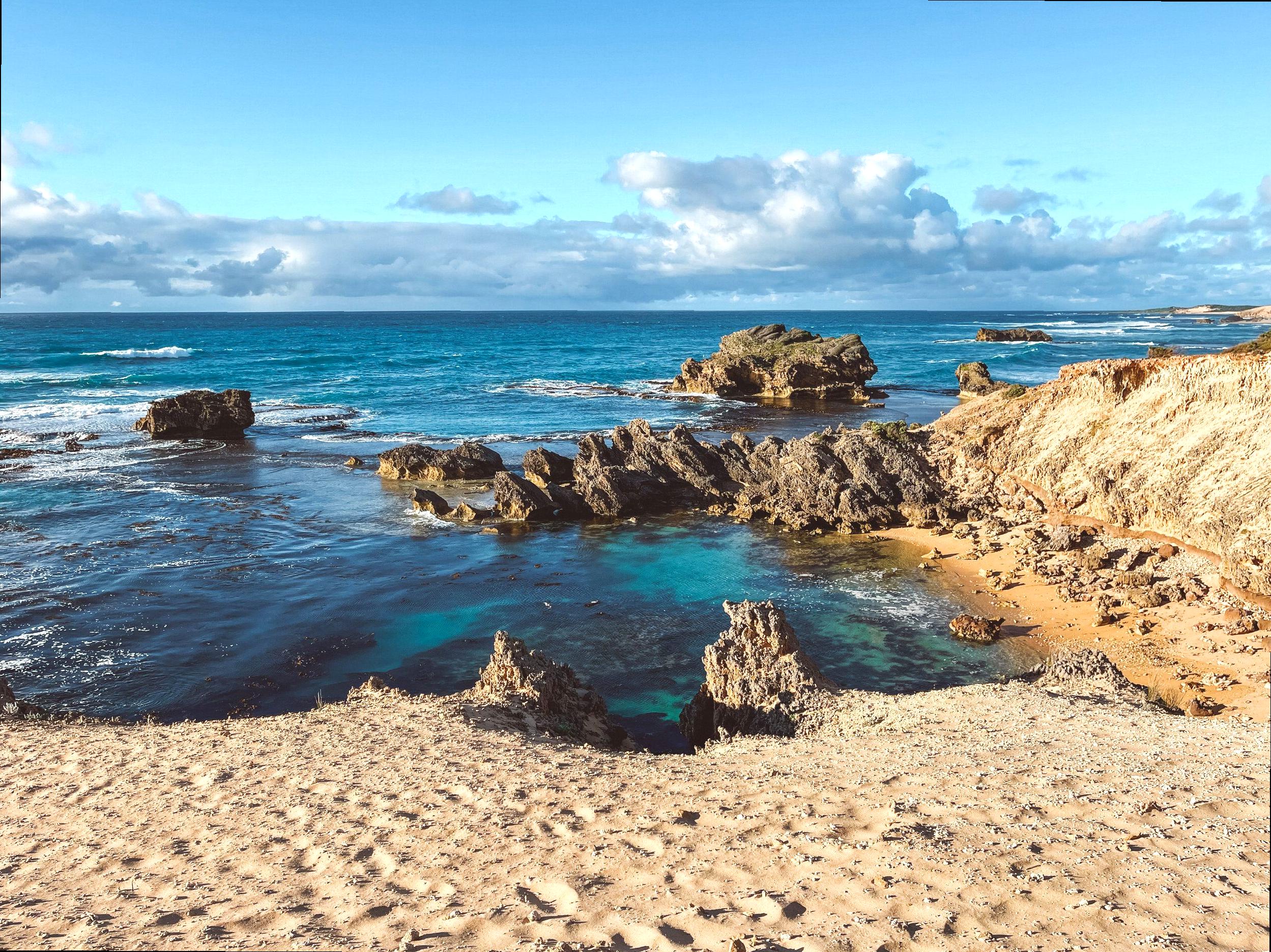
Wind Eroded Cave, a stunning natural formation, showcases the remarkable power of nature’s elements in shaping the landscape. Formed primarily by wind, this geological wonder invites adventurers and nature enthusiasts alike to explore its intricacies. The cave, nestled in remote environments, often features fascinating structures like spires, arches, and sculpted rocks, all created by years of relentless wind erosion. Visitors to Wind Eroded Cave can witness firsthand how environmental factors can sculpt such impressive formations while providing a unique habitat for various flora and fauna. This article delves into the details surrounding Wind Eroded Cave, highlighting its formation, significance, and the ecosystems that thrive in this extraordinary environment.

Contents
The Formation of Wind Eroded Cave
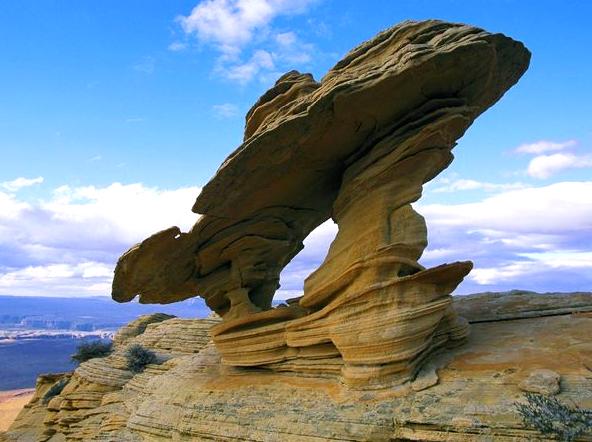
Wind Eroded Cave is the product of an impressive geological process driven predominantly by wind erosion. Over thousands of years, wind carries small particles of sand and silt, which act like natural abrasives against the rock surfaces. This process gradually begins to wear away the softer materials in the geological strata, leading to the creation of unique shapes and cavities. The cave’s structure is typically composed of sedimentary rocks, which are more susceptible to erosion compared to harder igneous types. As time passes, the persistent action of wind carves out deep caverns and striking formations, resulting in captivating features often admired by geologists and tourists alike. Additionally, natural occurrences such as changes in climate or human activity can further influence the ongoing erosion process.
Ecological Importance of Wind Eroded Cave

Wind Eroded Cave is not just a visual spectacle; it plays a vital role in the ecosystem surrounding it. The unique geological formations provide shelter for a variety of species, including birds, insects, and small mammals that depend on these caverns for nesting and protection. Furthermore, vegetation frequently encases the entrance areas and external rock faces, which can lead to specialized plant communities that have adapted to the harsh winds and shifting soils. The microclimates created within the cave can maintain higher humidity levels than the surrounding areas, allowing unique plant species to thrive. This ecological diversity also implies the potential for exciting biological studies, as researchers uncover how organisms evolve to survive in such uniquely crafted environments. The continued preservation of Wind Eroded Cave is crucial, as it supports various ecosystems that might easily be threatened by environmental changes.
Exploring the Wonders Within
Visitors to Wind Eroded Cave are often awestruck by its mesmerizing beauty and the astonishing architectural forms that nature has wrought. When exploring the cave, one will encounter various features that reflect the extraordinary power of wind erosion, such as:
-
- Cave Formations: Stalactites, stalagmites, and other mineral deposits giving a mystical visual beauty.
- Wind Sculptures: Unique rock shapes created by the distinct patterns of wind flow.
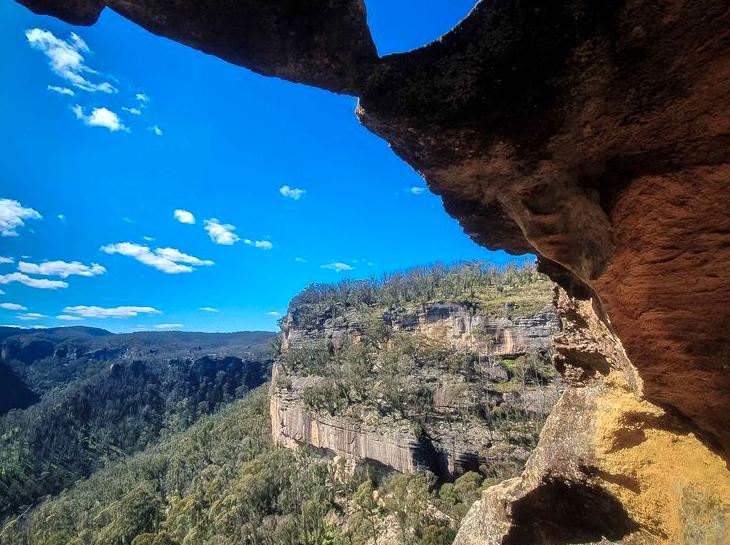
- Natural Archways: Beautifully curved openings leading into larger chambers.
- Colorful Strata: Multicolored rock layers reflect the geological history of the region.
The adventure doesn’t end within the cave; the surrounding landscapes often feature hiking trails, scenic viewpoints, and rich wildlife. These opportunities for exploration allow visitors to fully appreciate not just the cave itself but also its interconnected role with the surrounding ecosystem. Many parks and protected areas often designate specific guided tours, ensuring safety while enlightening visitors about the geological processes at play and the delicate balance of life that thrives in these magnificent formations.
Conservation Efforts
Given the fragility of Wind Eroded Cave’s ecosystem, conservation efforts are crucial to protect this natural wonder for future generations. Various organizations, including national and local parks, are actively involved in numerous initiatives aimed at preserving the cave and its environment. These efforts may include monitoring visitor impacts, controlling invasive species that can disrupt local ecosystems, and conducting research to enhance understanding of the geological and biological processes at play. Preservation of natural habitats such as Wind Eroded Cave also relies on public education to promote responsible tourism and environmental awareness. By informing visitors about the significance of this unique geological feature, guardians of these natural wonders hope to foster a sense of stewardship among those who explore the area. Whether through educational workshops or visitor guidelines, every effort counts in maintaining the integrity of Wind Eroded Cave.
Conclusion
Wind Eroded Cave is a mesmerizing testament to nature’s artistic ability, showcasing the power of wind in creating breathtaking geological formations. Its ecological significance cannot be overstated, serving as a sanctuary for diverse species while promoting unique environmental research opportunities. For both adventurers and nature enthusiasts, the experience of exploring Wind Eroded Cave and its surrounding ecosystem is nothing short of inspiring. As efforts continue towards its conservation, it becomes increasingly important for visitors to recognize their role in preserving this natural beauty. Whether through responsible tourism, volunteering, or simply spreading awareness, everyone can contribute to maintaining the legacy of Wind Eroded Cave for generations to come.
FAQs
Wind Eroded Cave was formed primarily through the process of wind erosion, where particles carried by the wind wear away at soft sedimentary rocks, creating unique shapes and cavities over thousands of years.
2. What kind of wildlife can be found in and around Wind Eroded Cave?
A variety of species inhabit the area, including birds, small mammals, reptiles, and various plant species that have adapted to the unique microclimate and geological formations of the cave.
3. Are there guided tours available for visitors to Wind Eroded Cave?
Yes, many protected areas featuring Wind Eroded Cave offer guided tours that provide educational insights into its geological features and the surrounding ecosystem, ensuring a safe and informative experience.
4. Why is conservation of Wind Eroded Cave important?
Conservation is critical to protect the unique geological and biological features of Wind Eroded Cave, which supports diverse ecosystems and serves as a natural laboratory for scientific research.
5. What can visitors do to help in the conservation of Wind Eroded Cave?
Visitors can help by practicing responsible tourism, avoiding littering, staying on marked trails, and participating in education programs that promote awareness about the cave’s significance and conservation efforts.